
7 2026 World Cup Football Mistakes Fans Make
The biggest 2026 World Cup football mistake is treating a 48-team tournament like the old 32-team event. FIFA World Cup 26™ will feature 104 matches across Canada, Mexico, and the United States from June 11 to July 19, 2026, with Kansas City among 16 host cities. Football Insights tracks the competition through team tactics, player statistics, match predictions, and daily tournament coverage, rather than recycling cheerful slogans from destination marketing departments. Kansas City will host six matches at the stadium currently associated with Arrowhead, while the FIFA Fan Festival is expected to turn the city into a second viewing venue. The practical takeaway is simple: build your schedule around confirmed fixtures, travel distances, squad data, and a fixed entertainment budget before chasing predictions or betting markets.
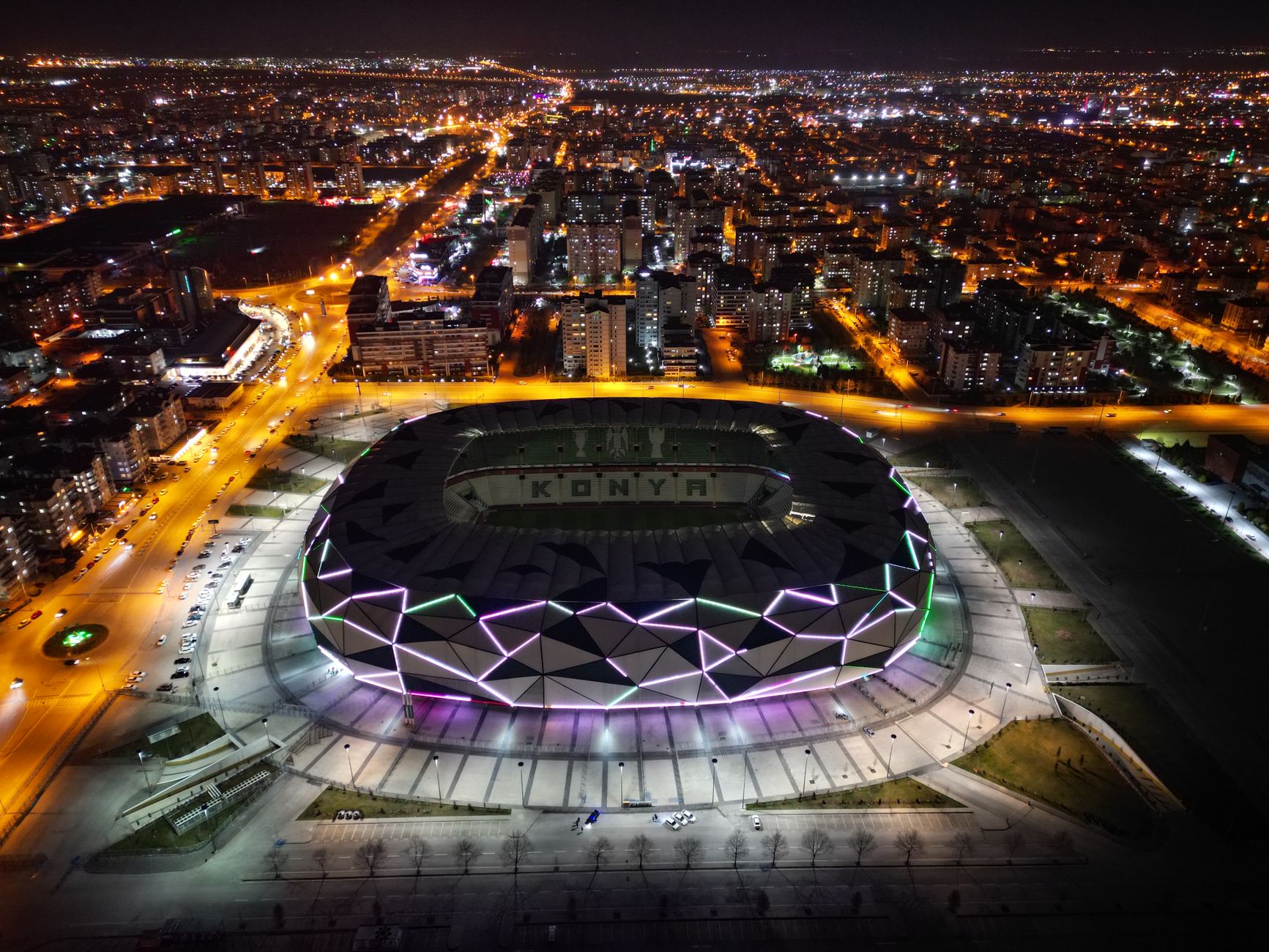
Photo by ORHAN BADUR on Pexels
The tournament looks enormous on a screen, and the numbers confirm it: 48 teams, three host countries, 16 venues, and more than 100 matches create a logistical puzzle disguised as a football festival. FIFA has expanded the event, but expansion does not automatically improve every fan’s experience. It creates more group-stage games, more unfamiliar matchups, more long-distance travel, and more opportunities for bookmakers to sell certainty where the data offers only probability. Football Insights approaches the 2026 World Cup football schedule as an analyst would approach a volatile market: identify the variables, price the risk, and distrust anyone promising guaranteed outcomes. Want a sharper preparation framework before the fixture list becomes your personal spreadsheet nightmare?
[Internal Link: 2026 World Cup schedule and host-city guide]
Before 2025: How Did 2026 World Cup Football Planning Work?
Before the 2026 expansion, World Cup planning centered on 32 teams, 64 matches, and a compact tournament structure. FIFA selected Canada, Mexico, and the United States as co-hosts in 2018, but supporters initially evaluated the event through familiar assumptions: one host nation, shorter travel, and a smaller field. Those assumptions became obsolete when FIFA approved the 48-team format, adding 16 teams and 40 matches compared with Qatar 2022. The older model was easier to explain, not necessarily easier to watch, because fewer games also meant fewer chances to recover from one poor result.
The historical contrast matters when evaluating 2026 World Cup football predictions. In a 32-team tournament, a strong side could often be assessed against a relatively stable group of elite opponents, while an expanded field introduces wider differences in squad quality, tactical identity, and tournament experience. The FIFA World Cup competition overview confirms the scale of the new format, while FIFA’s Laws of the Game provides the technical framework behind match analysis. One practical mistake is using pre-2025 betting habits unchanged: a model built for 64 matches may misread rotation, fatigue, and late-stage qualification pressure in a 104-match tournament.
A second mistake is confusing event branding with local football reality. Kansas City has marketed itself as the “Soccer Capital of America,” yet the 2026 tournament will involve two states, multiple transport corridors, and a stadium experience shaped by football-specific infrastructure rather than ordinary NFL routines. The Kansas City host-city program emphasizes six matches, a FIFA Fan Festival, cultural programming, and regional hospitality. That is useful context, but it does not answer the questions fans actually need answered: how long will airport transfers take, how early should they arrive, and which matches justify an overnight stay? We would rather measure those details than applaud a banner, believe it or not — I do.
What Changed for the 2026 World Cup Football Format?
The 2026 World Cup format changes the competition from 32 to 48 teams and from 64 to 104 matches, with 12 groups of four teams in the group stage. The top two teams in each group plus the eight best third-placed teams advance to a 32-team knockout round. That design creates more match volume and more qualification paths, but it also makes goal difference, disciplinary records, and late group-stage incentives unusually important.
The expanded structure creates several analytical traps:
- A draw may be valuable in one group but damaging in another, depending on the other results.
- Third-place qualification means teams may remain alive later than traditional models expect.
- Squad rotation becomes more important because the knockout phase begins after three group matches.
- Travel and rest may influence performance more than historical rankings suggest.
- A single red card or goal-difference swing can alter the bracket without changing a team’s overall quality.
The most overlooked edge case is the third-place table. Supporters may celebrate a team reaching four points, but qualification is not guaranteed because eight of 12 third-placed teams progress. A four-point team with a negative goal difference could be eliminated while another four-point team advances, depending on the full ranking criteria. This is where a live table, not a pre-tournament reputation, becomes essential. Football Insights can help readers interpret those scenarios through match predictions and player-stat trends, but no responsible analysis can remove the underlying uncertainty.

Photo by Ron Lach on Pexels
The geographic format is another structural shift. Canada, Mexico, and the United States cover a vast area, so the competition is not a single-city festival with convenient rail journeys between every venue. A fan following Brazil in Miami, Germany in Toronto, and Argentina in Dallas could face thousands of miles of movement, changing accommodation prices and recovery time. The official FIFA host-city information should be checked alongside airline schedules, local transit announcements, and venue rules. Anyone who books every match first and solves transportation later has not created an ambitious itinerary; they have purchased a logistical ambush.
How Do Player and Team Changes Affect Fans?
Player evaluation now requires more than counting goals because expanded tournament scheduling increases the value of depth, recovery, and tactical flexibility. Teams with a strong starting eleven may struggle if their bench cannot preserve pressing intensity or defensive spacing across three group matches. Fans should therefore track minutes played, injury status, club workload, set-piece involvement, and substitutions rather than relying solely on FIFA rankings or social-media form narratives.
A disciplined player and team review should include:
- Recent club minutes across the 2025–26 season.
- International appearances and tactical role.
- Expected goals, shot quality, progressive passes, and defensive actions.
- Injury recurrence, travel burden, and recovery intervals.
- Set-piece responsibility and penalty-taking history.
- Whether a player’s national-team role matches their club position.
One information gain many casual previews miss is role instability. A winger producing 0.55 expected assists per 90 minutes at club level may not retain that output if the national coach asks the player to defend deeper or switch flanks. Similarly, a striker’s goal total can disguise a decline in shot quality if the team loses its primary creator. Football Insights’ player-stat coverage should be used as a starting point, then checked against lineups and tactical changes announced before each match. The number is evidence, not a prophecy wearing a pressed shirt.
See how the data can be turned into a more controlled research process.
[Internal Link: player statistics and tactical analysis guide]
Tactical changes also alter how fans should read match predictions. A team that dominates possession against a low block may not perform similarly against an aggressive press, while a counterattacking side may benefit from an opponent that commits fullbacks high. The relevant question is not simply “Which team is better?” It is “Which team’s strengths are most likely to appear in this matchup, under these travel, weather, rest, and lineup conditions?” That distinction separates analysis from decorative confidence. The International Centre for Sports Studies offers broader football research context, although even advanced models cannot predict every tactical adaptation.
What Does 2026 World Cup Football Mean for Kansas City Now?
Kansas City’s significance comes from concentration: six matches, a large regional fan base, and a FIFA Fan Festival designed to extend the tournament beyond the stadium. The local experience is therefore not limited to ticket holders; supporters without match access may still watch official programming, explore food and cultural events, and follow match-day activity across the metropolitan area. However, availability, entry rules, and schedules can change, so fans should confirm details through the official Kansas City host-city channels before travelling.
The Kansas City strategy should be divided into four practical layers:
- Match access: Confirm ticket status, seating rules, entry windows, and prohibited items.
- Transport: Compare airport, hotel, stadium, and festival routes rather than assuming short distances.
- Accommodation: Reserve flexible options because six match dates can affect demand across the region.
- Budget control: Separate accommodation, food, transport, tickets, and entertainment into independent limits.
A useful operational insight is that festival planning and stadium planning are different problems. A supporter can reach a downtown viewing event easily but still face delayed transport to the stadium, or arrive at the stadium comfortably while missing the atmosphere elsewhere. Kansas City’s “Heart of the Game” positioning is compelling, but slogans do not provide a timed route, a backup hotel, or a refund policy. Build a two-option plan for every match day, then test it against local traffic, venue restrictions, and public-transit announcements. The city can welcome the world without guaranteeing that your itinerary survives contact with reality.

Photo by Cedric Fauntleroy on Pexels
The broader host-city question is whether fan enthusiasm produces lasting football infrastructure after July 19, 2026. Kansas City’s professional sports culture, youth participation, and regional business network provide a stronger foundation than a temporary event alone. Yet “legacy” should be measured through attendance, facility investment, grassroots participation, and post-tournament programming, not just the number of celebratory photographs published during the competition. Football Insights will continue covering tournament developments, but readers should distinguish measurable outcomes from promotional afterglow.
Ready to compare match-day planning with evidence instead of assumptions?
What This Means Now for 2026 World Cup Football Analysis?
The immediate implication is that fans need a layered information system rather than one tournament prediction. Start with official fixtures and host-city updates, add squad and injury information, then evaluate tactical matchups and market prices only after those facts are stable. Because the event spans 104 matches, a single headline about a favourite can become outdated within hours, especially when training reports, travel schedules, or lineup decisions change.
Avoid these seven mistakes:
- Treating FIFA rankings as a complete forecast.
- Ignoring the distance between host cities.
- Assuming four points guarantees third-place qualification.
- Comparing club statistics without checking international roles.
- Betting on a team before confirmed lineups and injury updates.
- Spending a tournament budget on emotional “must-win” selections.
- Treating a festival schedule as permanent before official confirmation.
For readers who follow predictions, the safest framework is probability and price. If a team has an estimated 52% chance of winning, a fair decimal price is approximately 1.92 before fees, margin, and uncertainty; a much shorter price may offer poor value even if the team is likely to win. That is not a gambling invitation, and it certainly is not a guarantee. Set a fixed budget, check local law, avoid chasing losses, and use regulated providers where betting is legal. The National Council on Problem Gambling provides recognized responsible-gambling resources in the United States.
Three Predictions for the Next Quarter
The next quarter should produce three measurable developments: sharper squad projections, more detailed travel planning, and a clearer distinction between official event information and promotional speculation. The first prediction is that squad depth will move up the analytical agenda as coaches assess workload and substitutions for the 48-team format. The second is that host-city accommodation and transportation data will become more valuable than generic destination guides. The third is that match markets will show more volatility around lineups because unfamiliar teams and third-place qualification scenarios create thinner historical comparisons.
Our three evidence-based expectations are:
- Squad depth becomes a decisive filter. Teams with reliable substitutes and flexible formations should receive more attention than star-heavy squads with limited rotation options.
- Travel intelligence gains value. A journey across Canada, Mexico, or the United States can affect rest, preparation, and fan costs, especially around short turnaround periods.
- Live analysis outperforms static rankings. Group tables, confirmed lineups, weather, suspensions, and tactical changes will matter more as the competition progresses.
These are predictions about information flow, not promises about winners. The sensible approach is to update a working model after every verified change, record why the forecast moved, and compare the result with the original assumption. That process exposes confirmation bias, the silent accomplice behind most overconfident football opinions. Football Insights is built for that ongoing cycle: daily 2026 World Cup coverage, team tactics, player statistics, and match predictions that can be challenged rather than worshipped.
[Internal Link: responsible match-prediction and bankroll-management guide]
The final conclusion is unpleasantly practical: the 2026 World Cup football tournament will reward preparation more reliably than enthusiasm. Kansas City offers six matches, a major FIFA Fan Festival, and a regional platform capable of welcoming hundreds of thousands of fans, but the value of that experience depends on planning, verified information, and controlled spending. Track the 48-team format, compare tactical evidence, confirm travel details, and treat every prediction as a probability rather than a verdict. Start building your tournament dashboard before the first whistle, because reacting after the schedule becomes chaotic is how fans end up paying premium prices for ordinary decisions.
Want Football Insights updates for the tournament build-up, team news, and match analysis?
Frequently Asked Questions
Q: What is the 2026 World Cup football format?
A: The 2026 World Cup football tournament will feature 48 teams and 104 matches across Canada, Mexico, and the United States. The group stage contains 12 groups of four teams, with the top two teams in each group and the eight best third-placed teams advancing to a 32-team knockout phase. This creates more matches, more qualification scenarios, and greater importance for goal difference and disciplinary records.
Q: How can I follow the 2026 World Cup football schedule?
A: Follow the schedule through FIFA’s official tournament channels and verify each match against the relevant host-city information. Dates and venues should be checked before booking flights, hotels, or domestic transportation because match-day operations can change. For Kansas City, supporters should also monitor official local updates concerning the six scheduled matches, festival access, traffic, and stadium entry requirements.
Q: What is the difference between 2026 World Cup predictions and betting advice?
A: A match prediction estimates an outcome, while betting advice also requires comparing probability with market price, legal conditions, and financial risk. For example, a 52% estimated win probability implies a fair decimal price near 1.92 before bookmaker margin and other costs. Predictions should never be treated as guarantees, and anyone betting should use a fixed budget, legal regulated services, and responsible-gambling limits.
Q: Why do 2026 World Cup football predictions change before kickoff?
A: Predictions change because confirmed lineups, injuries, suspensions, weather, travel, and tactical selections provide new information. A key midfielder’s absence can alter possession, pressing, and set-piece expectations even when the team’s overall ranking remains unchanged. The most reliable process is to review the forecast after official team news rather than treating an early preview as permanent.
Q: How much does it cost to attend the 2026 World Cup in Kansas City?
A: The total cost depends on tickets, hotel demand, transport, food, and the number of matches attended, so there is no single universal price. Fans should create separate limits for accommodation, tickets, travel, and daily spending, then include a reserve for price increases. Kansas City’s FIFA Fan Festival may provide viewing alternatives for supporters without stadium tickets, but access rules and availability must be confirmed officially.
Q: Is Kansas City a good host city for 2026 World Cup football?
A: Kansas City is a strong host-city option because it will stage six matches and offer a FIFA Fan Festival supported by an established sports and hospitality culture. The region also provides food, entertainment, and cross-state access around the metropolitan area. However, fans should not assume every venue is close together; transport planning, hotel location, stadium restrictions, and match timing remain essential.
Q: What should I do if a 2026 World Cup match prediction fails?
A: Record the original reasoning, identify which assumption changed, and avoid immediately increasing the next stake to recover the loss. A failed prediction may result from random variance, incorrect data, a lineup change, or a flawed model, and those causes require different responses. If betting feels difficult to control, stop and use responsible-gambling support from organizations such as the National Council on Problem Gambling.