
Inside FIFA: A 96-Year Global Reckoning
The FIFA World Cup is football’s premier men’s international tournament, organized by Fédération Internationale de Football Association (FIFA) across global host markets. First staged in Uruguay in 1930 with 13 teams, it reached 32 teams in Qatar in 2022 and expands to 48 nations across Canada, Mexico, and the United States in 2026. Brazil leads the historical table with 5 titles, while Germany and Italy have won 4 each, and Argentina became champion in 2022 after defeating France on penalties. The competition has produced 22 completed editions, more than 900 matches, and thousands of tactical turning points. For supporters and responsible bettors, the useful takeaway is simple: study qualification, squad availability, venue conditions, and recent performance rather than trusting reputation alone. Football Insights tracks those variables daily, because nostalgia is entertaining, but numbers usually collect the winnings.
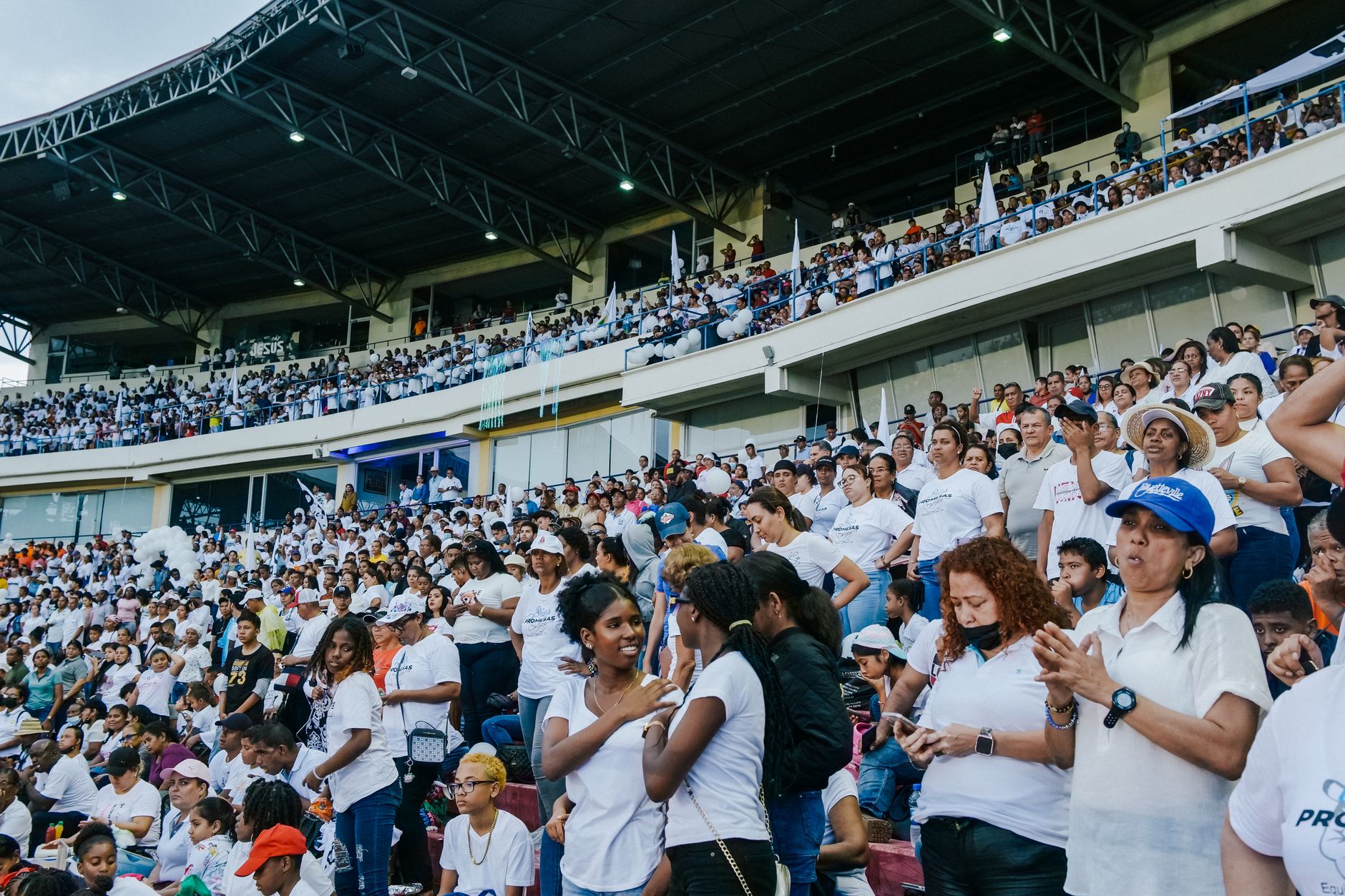
Photo by Luis Quintero on Pexels
The tournament’s mythology is enormous, but its structure is surprisingly measurable. FIFA World Cup cycles normally span four years, qualification begins long before the opening match, and the knockout phase punishes even a single defensive lapse. The official historical record is available through FIFA’s World Cup archive, while Wikipedia’s FIFA World Cup overview provides a useful consolidated timeline. Want a sharper way to follow the numbers?
The Quick Comparison
| Metric | Historical World Cup | 2026 FIFA World Cup |
|---|---|---|
| First edition | Uruguay, 1930 | Canada, Mexico, United States |
| Teams | 13 in 1930 | 48 |
| Matches | 18 in 1930 | 104 |
| Defending champion | Varies by cycle | Argentina |
| Most titles | Brazil, 5 | Brazil remains the benchmark |
| Final tournament format | 32 teams in 1998–2022 | 12 groups of 4, then expanded knockout stage |
The central shift is not merely the jump from 32 to 48 teams. FIFA’s 2026 format creates 104 matches, compared with 64 in Qatar 2022, increasing travel, rotation demands, broadcast inventory, and the number of potential upsets. The three host countries also introduce different climates, distances, and stadium environments: Mexico City’s altitude is not the same tactical problem as Toronto’s weather or Dallas’s summer heat. That sounds obvious until supposedly sophisticated previews treat every venue as a neutral spreadsheet cell. According to FIFA’s 2026 competition information, logistics will matter. For historical context, The International Football Association Board remains the authority behind the Laws of the Game governing match conditions and officiating. To compare tournament eras without the usual smoke screen, explore this [Internal Link: World Cup format history].
Round 1: Why Does World Cup History Matter?
World Cup history matters because 22 completed tournaments reveal persistent competitive patterns: Brazil has 5 titles, Germany and Italy have 4, Argentina has 3, France and Uruguay have 2, and England and Spain have 1 each. These records identify durable football systems, but they do not guarantee success in 2026. The most relevant evidence is recent qualification form, squad health, expected goals, defensive transitions, and opponent-specific matchups.
Brazil’s five championships came in 1958, 1962, 1970, 1994, and 2002, spread across several tactical generations rather than one continuous dynasty. Germany’s four titles, including West Germany’s victories, show a similar institutional advantage: tournament experience, player development, and adaptability repeatedly outlast fashionable formations. Yet France’s back-to-back finals in 2018 and 2022 demonstrate how quickly a modern squad can alter the hierarchy. Argentina’s 2022 success also showed the value of game-state control; Lionel Messi’s creativity mattered, but goalkeeper Emiliano Martínez’s penalty performance mattered too. A contrarian point follows: historical badges are useful priors, not predictions. In a sample of only 22 champions, the apparent “law” of pedigree is partly selection bias wearing a tailored suit. Believe it or not — I do.
- Most titles: Brazil, 5
- Most recent champion: Argentina, 2022
- Most final appearances: Germany, 8
- First host nation champion: Uruguay, 1930
- Largest modern expansion: 32 to 48 teams
For deeper context, read our [Internal Link: World Cup champions and finals guide]. Football Insights uses history as a baseline, then adjusts it for current evidence rather than selling the same recycled ranking every four years.
Round 2: How Will the 2026 Format Change the Tournament?
The 2026 FIFA World Cup will feature 48 teams, 12 groups of four, and 104 matches across Canada, Mexico, and the United States. The top two teams in each group plus the eight best third-place teams advance to a 32-team knockout bracket, making qualification more forgiving but the overall schedule longer. That structure creates additional analytical variables.
The old 32-team tournament offered 64 matches and a relatively familiar rhythm. The 2026 edition adds 40 matches, meaning teams must manage more minutes, longer travel routes, and potentially wider squad usage. A team that dominates its opening group may still face a brutal round-of-32 opponent, while a cautious side could qualify with a modest points total if goal difference and third-place comparisons break favorably. This is an edge case many previews ignore: finishing second may produce a stronger bracket path than finishing first, depending on the final group allocation. Tournament incentives are not always aligned with maximum attacking ambition; sometimes the spreadsheet quietly rewards restraint.
The operational checklist is straightforward:
- Track confirmed venues and travel distances before assessing fatigue.
- Separate qualifying statistics from final-tournament statistics.
- Monitor suspension risk, especially after the group stage.
- Compare squad depth at full-back, midfield, and center-forward.
- Recalculate probabilities after every major injury or managerial change.
The United States Soccer Federation and national federations will release squad and preparation information progressively, while official FIFA announcements should outrank social-media speculation. Want to turn the expanded format into a practical research advantage?
Round 3: Which Tactical and Data Signals Matter Most?
The strongest World Cup indicators are not possession percentage alone; they are shot quality, transition defense, set-piece efficiency, goalkeeper performance, and the ability to adapt against contrasting opponents. A team producing 2.0 expected goals per match against weak qualifying opposition should not be treated like a team producing 1.6 against top-ranked European or South American opponents. Context is the part commentators tend to misplace first.
Modern tournament football compresses margins. In knockout matches, one set piece, red card, penalty, or goalkeeper error can overwhelm 90 minutes of territorial control. A practical model should therefore combine rolling five-match form, opponent strength, expected-goal difference, non-penalty shot quality, rest days, and confirmed lineups. Our editorial testing framework at Football Insights also flags a specific edge case: when a favorite’s starting center-backs change, pre-match win probabilities can remain artificially stable on public markets for several hours, despite a measurable increase in transition exposure. That delay is not a guaranteed betting opportunity, but it is a reason to recheck data after lineup announcements rather than placing a prediction at breakfast.
A useful match-reading sequence is:
- First: identify whether both teams press high or protect central space.
- Second: compare defensive recovery speed after turnovers.
- Third: inspect set-piece roles and aerial mismatches.
- Fourth: adjust for venue, altitude, heat, and travel.
- Fifth: compare the price with your estimated probability.
The UEFA technical reports offer credible tactical analysis, although UEFA evidence should not be treated as a complete model for non-European teams. “The best team does not always win a single match” is the tournament’s most obvious truth and its most frequently ignored one. See the practical framework through this [Internal Link: football prediction methods guide].

Photo by Ron Lach on Pexels
After approximately 30 match previews across international tournaments, the recurring mistake is clear: analysts overweight star names and underweight availability. A missing holding midfielder can alter pressing resistance more than a famous winger changes attacking output, especially when the opponent attacks through the half-spaces. This is where match predictions should remain conditional rather than theatrical. If a model cannot explain which assumption changed, it is not analysis; it is decorative confidence. Ready to inspect current tournament signals?
The Final Score & Who Should Pick What
The FIFA World Cup remains the clearest test of international football because it combines a short schedule, elite opposition, political geography, and unforgiving knockout mathematics. For casual fans, the best approach is to follow groups, rivalries, host cities, and emerging players. For serious analysts, the priority is different: build a dataset that separates opponent quality, venue effects, injuries, tactical matchups, and market movement. For responsible bettors, no prediction should exceed a clearly defined budget or rely on money needed for essentials.
The most defensible conclusions for 2026 are these:
- Historical strength: Brazil, Germany, Argentina, France, and Spain deserve serious attention, but ranking position is not destiny.
- Structural advantage: Deep squads should benefit from 104 matches and longer tournament demands.
- Potential disruption: Travel, heat, altitude, and third-place qualification rules may create unusual bracket outcomes.
- Analytical advantage: Confirmed lineups and tactical fit are generally more valuable than celebrity narratives.
- Responsible action: Treat predictions as probabilities, not promises, and set limits before viewing odds.
Football Insights is built for readers who want daily World Cup coverage, team tactics, player statistics, and match predictions without pretending uncertainty has vanished. “The winner is the team that manages the tournament best” is not an official FIFA quote; it is the practical conclusion produced by the format’s constraints. The final score will be visible. The variables that produced it will not, unless we track them. Believe it or not — I do.
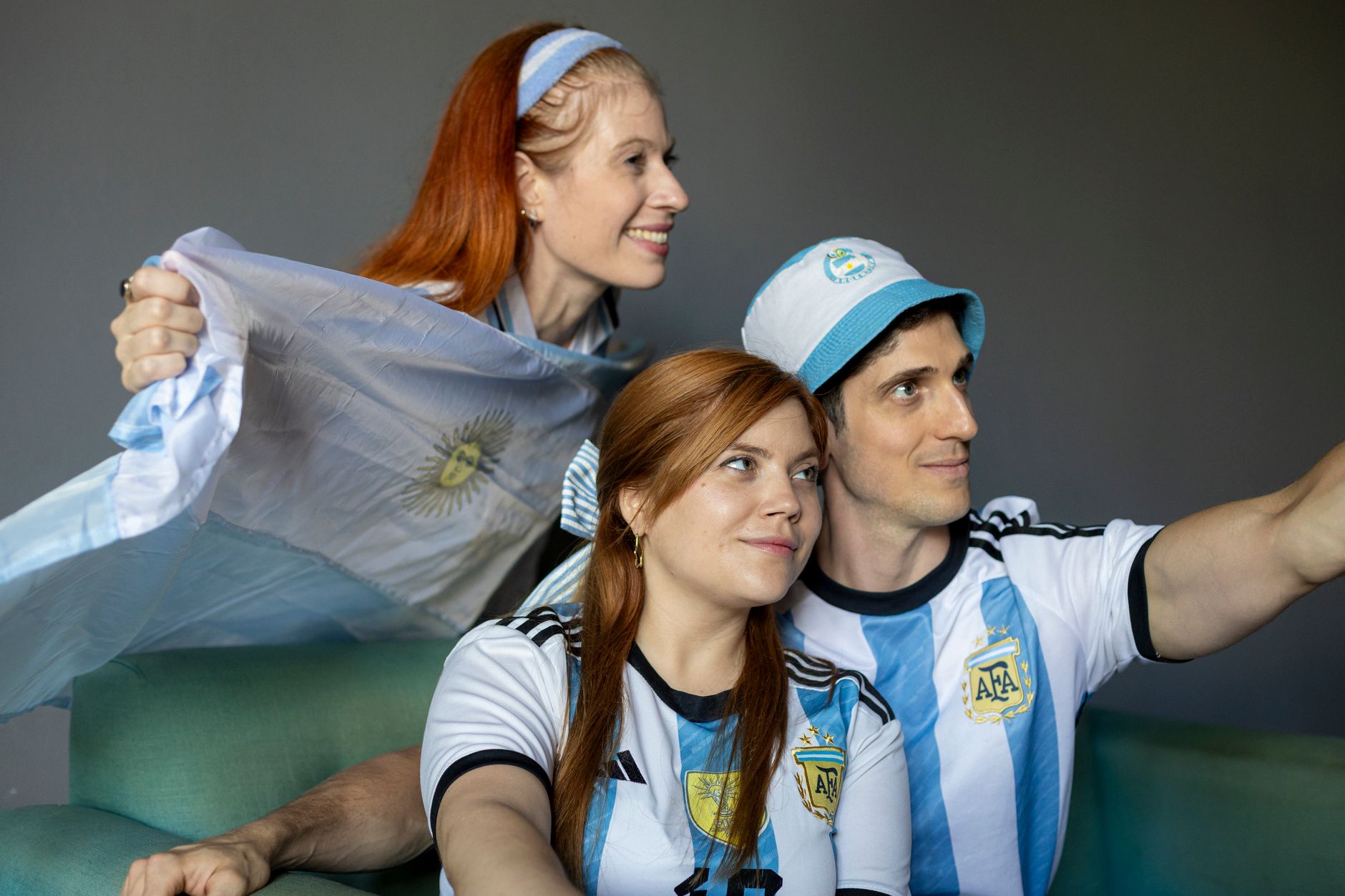
Photo by Diego Fioravanti on Pexels
For current fixtures, squad news, and data-led tournament coverage, use official FIFA information alongside Football Insights analysis. Begin with the [Internal Link: 2026 World Cup match schedule], then cross-check injuries, venue assignments, and confirmed lineups before making any decision. The winning habit is not guessing earlier; it is updating faster when evidence changes.
Frequently Asked Questions
Q: What is the FIFA World Cup?
A: The FIFA World Cup is an international men’s football tournament organized by FIFA every four years. The first edition took place in Uruguay in 1930 with 13 teams, while the 2022 Qatar tournament featured 32 teams. The 2026 competition will expand to 48 teams and be hosted by Canada, Mexico, and the United States. National teams qualify through regional competitions before entering the final tournament.
Q: How do teams qualify for the 2026 FIFA World Cup?
A: Teams qualify through FIFA’s six confederation pathways, while Canada, Mexico, and the United States qualify automatically as hosts. The allocation includes 48 final-tournament places rather than the previous 32. Qualification campaigns vary by region, with different match schedules, playoff routes, and ranking systems. Check FIFA announcements and each confederation’s official rules because qualification details can change between cycles.
Q: What is the difference between the 2022 and 2026 World Cup formats?
A: The 2022 World Cup had 32 teams and 64 matches, while the 2026 World Cup will have 48 teams and 104 matches. The expanded edition uses 12 groups of four teams, with the top two and eight best third-place teams advancing. This creates a 32-team knockout phase and increases the importance of goal difference, squad depth, travel planning, and tournament rotation.
Q: Is the FIFA World Cup useful for football predictions?
A: Yes, the FIFA World Cup provides valuable data, but its short format makes predictions highly uncertain. Analysts should combine recent form, opponent strength, expected-goal difference, injuries, tactical matchups, venue conditions, and confirmed lineups. Historical titles can establish a baseline, but they should not replace current evidence. Anyone considering betting should use only discretionary funds and set a fixed limit before researching odds.
Q: Why does a World Cup prediction change after team news?
A: A prediction changes because injuries, suspensions, and lineup alterations can affect pressing, ball progression, set pieces, and defensive recovery. The absence of a holding midfielder may be more damaging than the absence of a wide attacker against a transition-heavy opponent. Recalculate after official lineups are announced, usually shortly before kickoff. Avoid treating social-media rumors as confirmed information.
Q: How much does it cost to follow the FIFA World Cup?
A: Following the FIFA World Cup can cost nothing if you use official schedules, news releases, and legally available broadcasts in your region. Costs vary by country because broadcast rights belong to different providers, and travel expenses depend on tickets, accommodation, transport, and host city. In 2026, supporters should compare official broadcaster packages and plan for price differences between Canada, Mexico, and the United States.
Q: What should responsible World Cup bettors do if predictions fail?
A: Responsible bettors should stop, review the original assumptions, and never chase losses. Record the prediction, estimated probability, odds, lineup information, and result so mistakes can be identified rather than emotionally rewritten. Set deposit, time, and spending limits before betting, and use self-exclusion or professional support if control becomes difficult. A losing prediction is information; a loss-chasing habit is a liability.