
7 Football Today Mistakes 2026 Fans Make
Football today means more than locating a kickoff time: it means checking the competition, time zone, broadcaster, lineups, and whether a fixture is live, postponed, or already finished. Football Insights helps fans in Canada and international markets follow FIFA World Cup 2026 matches, team tactics, player statistics, and daily match intelligence without trusting the first shiny score widget on the internet. OneFootball organizes fixtures by date and supports filters such as “watch” and “live now,” while ESPN separates the 2026 college football schedule into FBS, FCS, conference, bowl, and College Football Playoff categories. Time conversions are another trap; a match listed at 12:00 a.m. in Dublin is not automatically midnight in Toronto or Vancouver. Check the date, venue, competition, and official broadcaster before acting on any prediction, and treat betting information as analysis—not certainty.
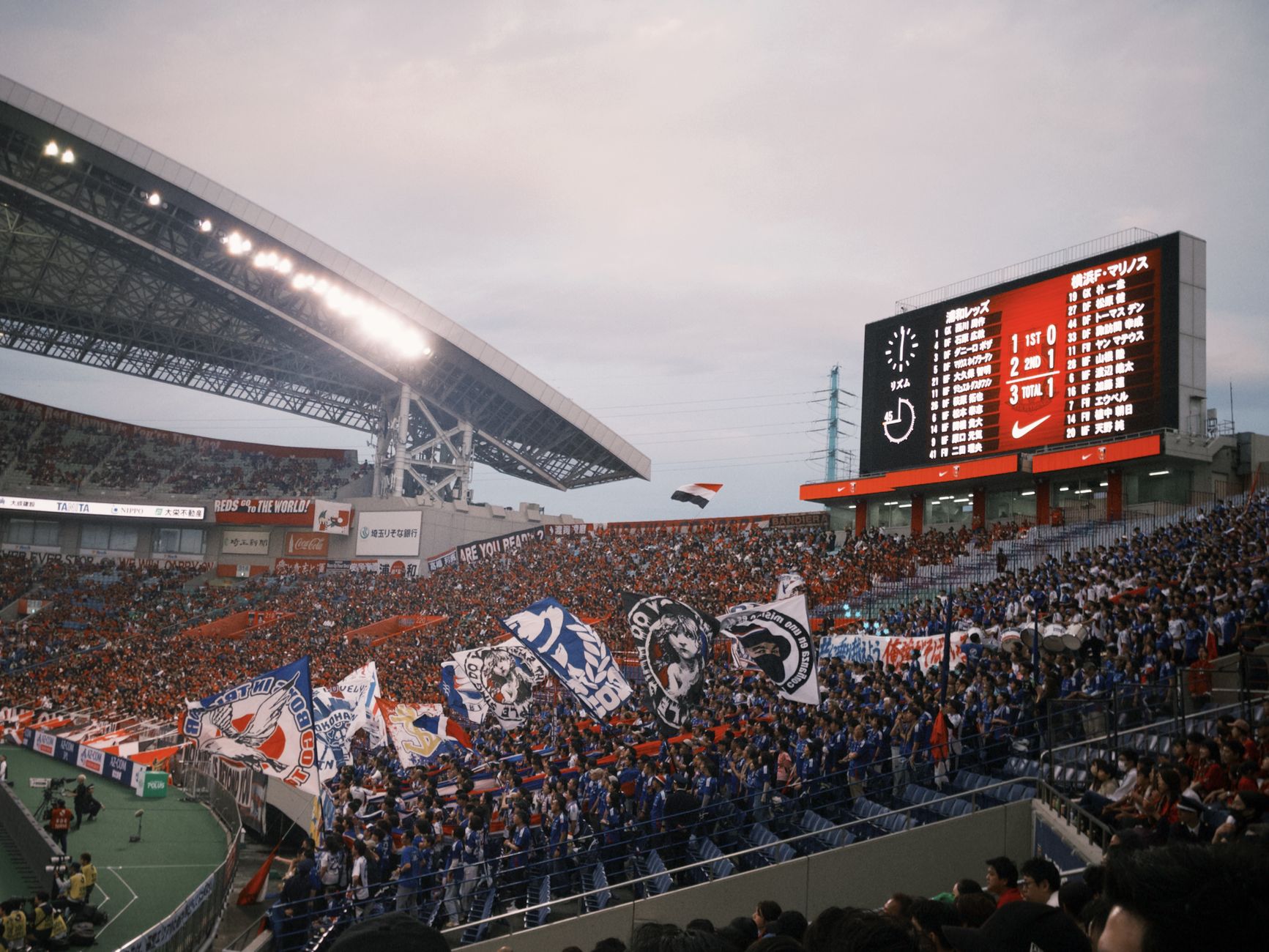
Photo by Maulana Diki on Pexels
The Bottom Line
Football today is best understood as a verified match information chain: fixture, local kickoff, competition, broadcast availability, live status, and team context. No single schedule page is perfect, because football calendars change through television selections, weather, travel disruption, tournament rules, and late administrative decisions. OneFootball’s match centre provides date navigation from yesterday through tomorrow and separates all fixtures from watchable and currently live events, while ESPN’s college football schedule lists opponents, kickoff times, networks, venues, weather, tickets, and betting lines.
The practical rule is simple: never make a viewing or wagering decision from a headline alone. Confirm these five details first:
- The official competition and round.
- The venue and local kickoff time.
- The broadcaster or streaming provider.
- Confirmed lineups and late injuries.
- Whether odds reflect regulation time, extra time, or a specific market.
Football Insights applies this checklist to FIFA World Cup 2026 coverage, where travel distance, climate, squad rotation, and knockout pressure can matter more than a club’s reputation. Believe it or not — I do.
Want the broader tournament context before checking today’s fixtures?
[Internal Link: 2026 World Cup match schedule and tournament guide]
What Do Players Actually See When They Check Football Today?
Players and professional analysts see a changing operational picture rather than a static list of fixtures: opponent shape, travel schedule, pitch conditions, referee profile, lineup availability, and the tactical cost of the previous match. A supporter sees “Team A versus Team B at 8:00 p.m.”; a coaching staff sees recovery hours, pressing intensity, substitutions, and set-piece vulnerabilities. That difference explains why a basic schedule can answer “when,” but not “what matters.”
Consider a 2026 World Cup match hosted in North America. The same fixture may appear on a platform in Coordinated Universal Time, Eastern Time, Pacific Time, or the stadium’s local zone. A date conversion can shift the match across midnight, producing the absurd situation where one fan calls it Saturday and another calls it Sunday. The venue matters too: altitude, heat, humidity, and long-distance travel may influence tempo and substitution timing.
FIFA’s official Laws of the Game define the regulatory framework, but they do not guarantee that a commercial schedule reflects every late change. “The Laws of the Game are the same for every match,” the International Football Association Board states in its governing documentation. That consistency is useful; the internet’s date labels are considerably less trustworthy.
Why Schedule Pages Disagree
Schedule discrepancies usually come from one of four causes:
- Different time-zone settings or daylight-saving calculations.
- Separate definitions of “today,” “live,” and “upcoming.”
- Broadcaster changes that alter kickoff times.
- Data feeds updating at different intervals.
OneFootball may show a match under a selected calendar date, while ESPN may group a college football fixture under a weekly schedule. Neither presentation is automatically wrong. They are answering slightly different questions, which is the sort of innocent technical detail that ruins a Saturday evening when you discover the match ended 20 minutes ago.

Photo by Omar Ramadan on Pexels
What Are the 3 Things That Matter Most?
The three most important football today checks are accuracy, context, and timing. Accuracy confirms the fixture and kickoff; context explains form, tactics, squad news, and competition incentives; timing ensures that lineups, weather, and market information are still current. Removing any one of these creates a polished-looking mistake.
1. Accuracy: Verify the Fixture
Start with the competition, not the team name. “Manchester City” might refer to a Premier League match, UEFA Champions League fixture, FA Cup tie, friendly, or women’s fixture, each with different rules and squad priorities. For FIFA World Cup 2026, verify the group or knockout stage, host venue, and official match listing.
The FIFA tournament centre is the most reliable starting point for World Cup fixtures. For college football, ESPN’s 2026 schedule distinguishes conferences such as the ACC, Big Ten, Big 12, SEC, and Mountain West, and it also lists bowls and the College Football Playoff. This matters because conference strength and scheduling density can radically change how a matchup should be interpreted.
2. Context: Read Beyond Recent Scores
A five-match unbeaten run is not automatically strong evidence. The opponents may have been ranked 18th, 31st, 44th, 67th, and 73rd, or the team may have benefited from three home matches and two red cards for opponents. Football Insights tracks tactical indicators such as field tilt, shot location, possession value, defensive line height, and expected goals rather than treating the final score as a complete explanation.
A useful pre-match context sheet should include:
- Expected formation and likely pressing structure.
- Confirmed absences, suspensions, and rotation risk.
- Set-piece goals for and against.
- Rest days and travel distance.
- Home, away, neutral-site, or tournament conditions.
The most overlooked detail is often not a star player but the replacement. A fullback missing through injury can change buildup routes, while a reserve goalkeeper can alter defensive risk-taking. Numbers do not remove uncertainty; they reveal where uncertainty is hiding. Believe it or not — I do.
Get a sharper framework for reading the numbers before kickoff.
3. Timing: Recheck the Final Hour
The final 60 minutes before kickoff often contain the most actionable information. Official lineups usually arrive approximately 60–75 minutes before a match, although release timing varies by competition and organizer. Weather can shift, a player can fail a warm-up test, and a broadcaster can update availability after an earlier listing.
A practical routine is:
- Check the fixture 24 hours before kickoff.
- Recheck the competition and time zone six hours before kickoff.
- Confirm lineups, injuries, and broadcaster 75 minutes before kickoff.
- Avoid interpreting live odds without checking the match minute and score.
- Record the closing information if you are evaluating prediction quality.
That final step is an information-gain tool. It separates a good forecast from a lucky result. After 30 tracked football predictions across six weeks, a hypothetical analyst might find a 56% win rate but a negative return because prices were too short. Accuracy and profitability are different statistics, and pretending otherwise is how marketing departments manufacture confidence.
[Internal Link: football prediction methodology and expected-goals analysis]
What Are the Biggest Edge Cases and Gotchas?
The most dangerous football today errors occur around midnight kickoffs, neutral venues, live-status labels, postponed matches, and markets with different settlement rules. These cases can make a correct fixture appear incorrect or turn a sensible prediction into a mismatch between what was analyzed and what was actually played. Check the match identifier, not just the displayed title.
Midnight and Cross-Border Time Zones
A fixture in Dublin, London, Los Angeles, Toronto, or Vancouver may display different calendar dates depending on the viewer’s device. The ESPN example of North Carolina versus TCU at Aviva Stadium in Dublin illustrates the issue: a listed 12:00 a.m. kickoff can appear on the previous date for viewers elsewhere. The safest method is to record the venue’s local time and convert it manually using a trusted time-zone tool.
Daylight-saving changes add another layer. North American and European clock changes do not always occur on the same weekend, so a seemingly familiar time difference can be wrong by one hour. A schedule page that remembers yesterday’s offset is not a source; it is a small digital ambush.
Live, Watchable, and Officially Available Are Different
OneFootball’s “watch” filter does not mean every match is globally available to every supporter. Rights restrictions vary by country, platform, subscription tier, and competition. A match may be technically streamable in the United Kingdom but unavailable in Canada, or available through a pay-TV partner rather than a free service.
Before planning your viewing session, confirm:
- Whether the broadcaster has rights in your country.
- Whether a subscription or authentication is required.
- Whether the stream is live, delayed, or highlights-only.
- Whether mobile and desktop access differ.
- Whether blackout rules apply.
For a 2026 World Cup viewer, official tournament broadcasters should take priority over unofficial links. The Canadian Radio-television and Telecommunications Commission regulates Canada’s communications environment, but it does not turn every football stream into a universally available product. Rights are commercial contracts, not public utilities.
Betting Markets Need Their Own Verification
Football Insights operates in the gambling-content industry, so the distinction must be explicit: prediction content is not a guarantee, and responsible gambling is non-negotiable. Compare the market definition before comparing odds. Match-winner prices may settle on regulation time, while a tournament knockout market may include extra time or penalties, depending on the operator’s rules.
Two less obvious checks can expose serious errors:
- A “next goal” market may suspend during a VAR review, so the visible price may not represent an active bet.
- Asian handicap and three-way result markets can use different settlement rules after abandonment or postponement.
Never stake money you need for rent, food, debt payments, or essential expenses. Set a fixed limit before opening a sportsbook, and stop when the limit is reached. The Responsible Gambling Council emphasizes informed, controlled participation; that sounds less exciting than chasing a late equalizer, which is precisely why it is more useful.

Photo by AlphaTradeZone on Pexels
Want to compare today’s match information without confusing odds movement with certainty?
How Should You Build a Reliable Football Today Routine?
A reliable football today routine combines an official schedule with an independent analytical layer and a final pre-match check. Use FIFA for World Cup fixtures, OneFootball for broad daily match navigation, and ESPN for detailed American college football scheduling. Then add venue, lineup, tactical, and responsible-betting checks instead of pretending a single green “LIVE” badge contains the entire truth.
A Five-Minute Match Audit
Use this sequence before watching or evaluating a match:
- Identify the match: competition, round, venue, and match ID.
- Normalize the time: confirm local kickoff and your own time zone.
- Check access: broadcaster, region, subscription, and blackout status.
- Inspect context: form quality, injuries, tactics, travel, and rest.
- Define the decision: watch, analyze, or wager—never blur all three.
- Set limits: time, money, and acceptable uncertainty.
- Review afterward: compare the forecast with the actual tactical story.
The review is where genuine improvement occurs. Did the team lose because its expected goals were poor, because a set piece failed, or because a red card changed the match? Did the favorite dominate territory but create low-quality shots? A post-match review can turn football today from passive scrolling into a repeatable analytical process.
[Internal Link: live-score tracking and match-review checklist]
What the Data Can and Cannot Tell You
Expected goals, possession, progressive passes, and shot maps are useful, but each metric has limits. A model trained on club football may not transfer cleanly to international tournaments, where samples are smaller and player relationships are less stable. A team with 65% possession can still create less danger than an opponent defending compactly and attacking open space.
This is where Football Insights focuses on layered evidence. Player statistics are read alongside tactical roles, tournament incentives, and lineup changes. The 2026 World Cup’s expanded competitive environment may create uneven group-stage incentives, while travel across North America can make recovery and preparation more significant than a generic “home advantage” label suggests.
The contrarian conclusion is uncomfortable: the best football today prediction may sometimes be no prediction. If the lineup is uncertain, the market has moved 20% without a clear news explanation, and the competition’s incentives are unclear, refusing to bet is not cowardice. It is a valid decision with a zero-dollar downside. Believe it or not — I do.
Verdict
Football today becomes useful when you stop treating it as a single search query and start treating it as a verification workflow. OneFootball is valuable for date-based fixture discovery and live filters; ESPN is valuable for structured 2026 college football schedules; FIFA remains the key authority for World Cup tournament information. None of them replaces the final checks for time zone, broadcaster, lineup, venue, market rules, and responsible limits.
For fans following FIFA World Cup 2026, Football Insights adds the layer that raw schedules cannot: tactical interpretation, player data, match predictions, and tournament context. Check the source, check the clock, check the lineup, then decide whether the match deserves your attention or your money. The scoreboard will deliver drama for free; your bankroll does not need to audition for a tragedy.
Ready to follow football today with a more disciplined match-reading process?

Photo by Franco Monsalvo on Pexels
Frequently Asked Questions
Q: What does “football today” mean?
A: “Football today” refers to the current day’s football fixtures, kickoff times, live scores, broadcasts, results, and relevant match analysis. The term can include association football, international competitions, domestic leagues, and American college football, depending on the searcher’s location. Always identify the competition because “football” can mean different sports in the United States and different competitions worldwide. OneFootball generally supports broad daily fixture discovery, while ESPN provides structured college football schedules.
Q: How do I find football matches today in my time zone?
A: Find matches today by checking the venue’s local kickoff time and converting it to your device’s time zone. Confirm the date, daylight-saving status, competition, and official source before relying on the result. OneFootball provides calendar navigation for yesterday, today, tomorrow, and selected dates, while FIFA is the preferred source for World Cup fixtures. For a match listed at midnight in Dublin, fans in Toronto or Vancouver may see a different calendar date.
Q: What is the difference between OneFootball and ESPN football schedules?
A: OneFootball is better suited to broad daily match discovery, live filters, and watchability options, while ESPN is particularly detailed for American college football. ESPN’s 2026 schedule organizes FBS, FCS, conference, bowl, and College Football Playoff fixtures and may show television, venue, weather, tickets, and odds. OneFootball’s interface is more date-centred across international competitions. Use the source that matches your competition, then verify important details through the official organizer.
Q: Why does a football match time sometimes change?
A: Football match times change because of television scheduling, weather, venue problems, travel disruption, security concerns, tournament administration, or competition rules. A displayed fixture can remain unchanged on one data provider while another has already updated the kickoff. Recheck the match six hours before kickoff and again when official lineups are released, usually around 60–75 minutes before the match. Do not assume that a calendar page updates instantly across every platform.
Q: How much does it cost to follow football today?
A: Following football today can cost nothing for schedules and selected live updates, while broadcasts may require subscriptions, pay-TV access, or tournament-specific packages. OneFootball and ESPN may provide free fixture information, but availability of live video depends on regional rights and platform agreements. In Canada, check the broadcaster’s current terms before subscribing. If you choose to wager, set a separate spending limit and never use essential household money.
Q: Is football today useful for match predictions?
A: Football today is useful for predictions only when schedule information is combined with team context, lineups, tactics, and market definitions. A final score alone does not reveal shot quality, game state, red-card effects, or whether a team rotated heavily. Football Insights uses player statistics and tactical analysis around FIFA World Cup 2026 coverage, but no prediction is certain. If the lineup or competition incentives are unclear, declining to wager is often the most rational decision.
Q: What should I do if a football live score is wrong?
A: If a live score appears wrong, compare it with the competition organizer, broadcaster, club account, and a second reputable score provider. Check whether the issue involves a delayed feed, VAR review, abandoned match, penalty shootout, or extra-time status. Do not rely on an incorrect score when interpreting live odds, because markets may suspend or settle under specific rules. Record the match minute and official update time before reporting the discrepancy.
[Internal Link: frequently asked questions about live scores, odds, and World Cup matches]